
One tap from a template — no prompt needed
Pick an effect, upload your photo, and the built-in recipe does the rest. Same photo, far more reliable results.
You have been writing prompts by hand. Templates skip all of that — pick a card below, upload your photo, and get the same scene in one click.
 5s
⚡ Generate
Anal, Leg Up
 5s
⚡ Generate
Tits Squeeze
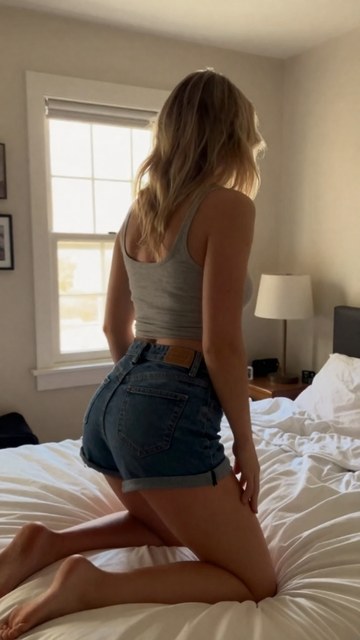 NEW IMAGE
⚡ Generate
Reverse Cowgirl
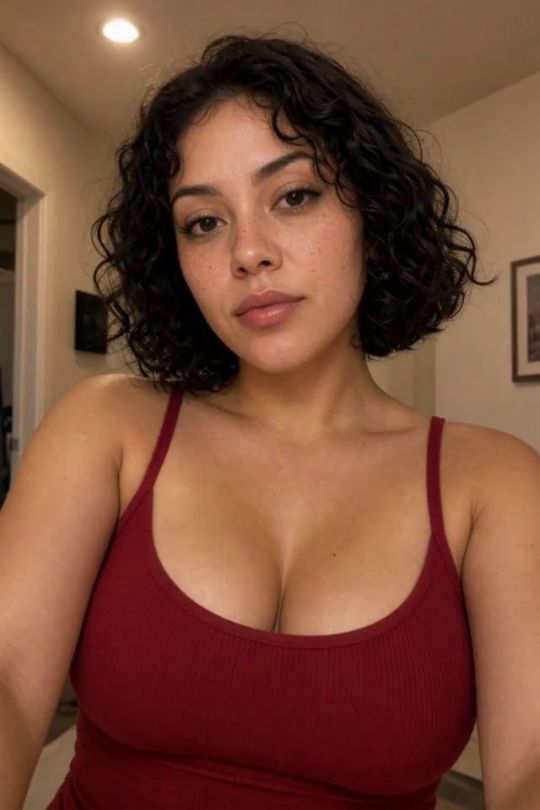
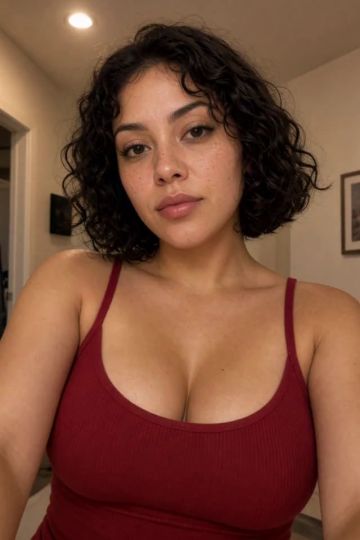 5s
⚡ Generate
Handjob Suck (Audio)
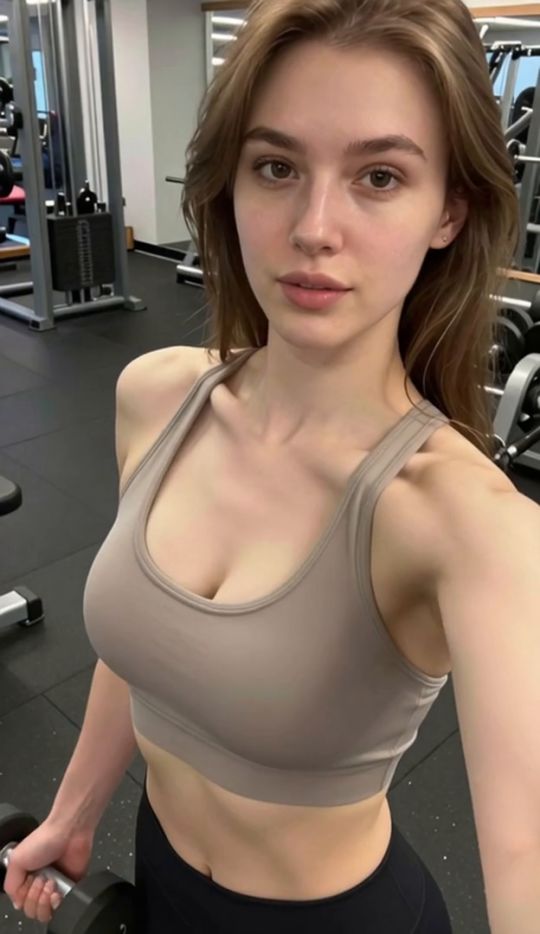
 5s
⚡ Generate
Extend Clip Close-Up
 NEW IMAGE
⚡ Generate
Bound, Facefuck
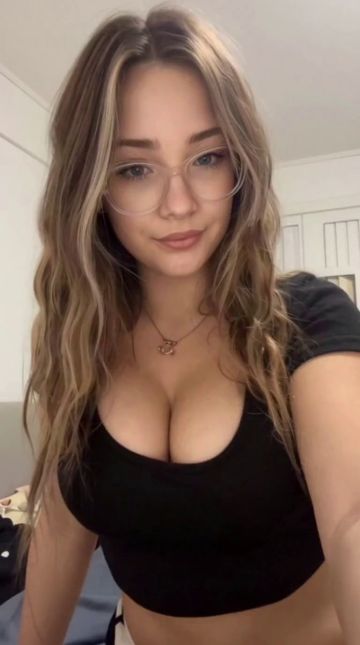 5s
⚡ Generate
Titty Job
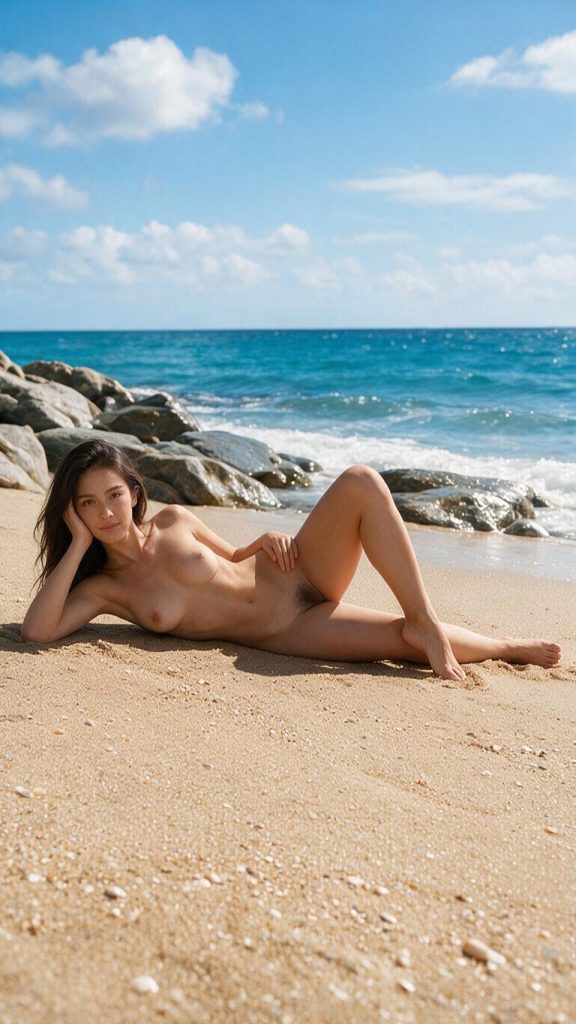
 NEW IMAGE
⚡ Generate
Side-Lying Seduction
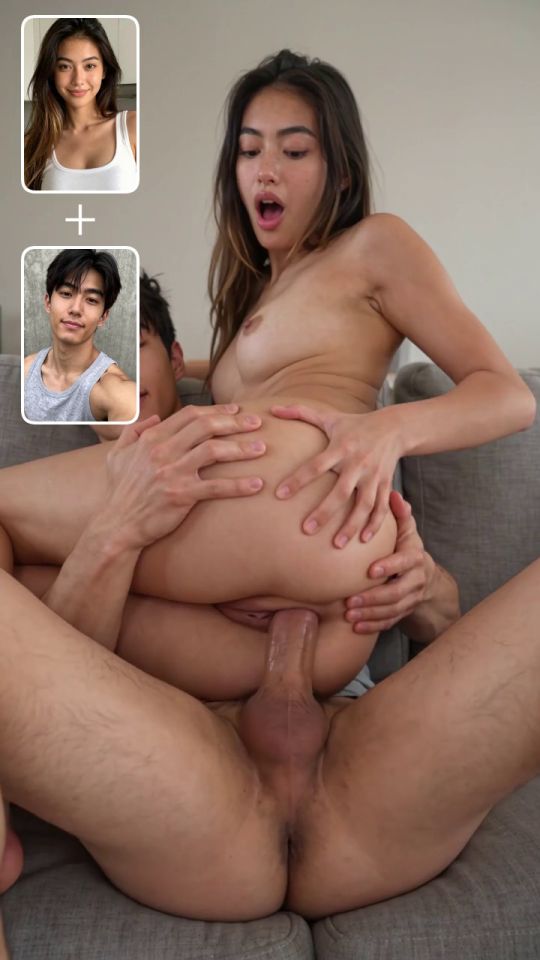 NEW 5s
⚡ Generate
Sideways Couch Fuck
 NEW IMAGE
⚡ Generate
Leg High, He Fucks Her
 NEW 5s
⚡ Generate
She Rides Reverse, Looks Back
 NEW IMAGE
⚡ Generate
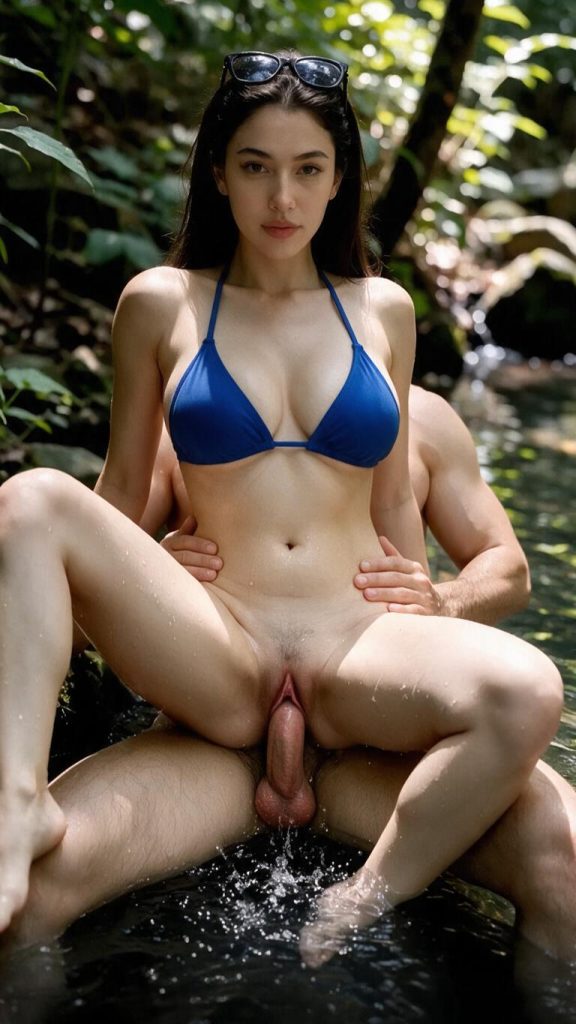
Jungle Stream Sex
Write the scene. The studio shoots the still.
The verdict, up front
You want one adult still and you have no source photograph. This is the department for that. Put the scene into plain words and the studio hands back a realistic picture within seconds. A standard still is 6 credits, and the opening still on the home page costs nothing; a Premium still is 41. The camera is strongest with a single performer in a clear location under one light, and weakest with crowded frames, tangled limbs, and hands doing complicated things. Sentence one: the performer. Sentence two: the location. Sentence three: the light. Between takes, adjust a single element and nothing else. Work here stays private unless you premiere it. Everyone on screen is an invented adult. The studio admits adults only.
Which department fits your shoot
| Job | Department | Cost | When it wins |
|---|---|---|---|
| An idea in words, no source picture | AI Porn Generator (this page) | 6 credits standard, 41 Premium | You want a fresh still from a sentence |
| A ready-made set, reshot your way | Templates | 49 credits | You like the blocking and want a new version |
| Change a picture you already have | AI Porn Editor | 21 credits a pass | The base still is good, one detail is wrong |
| Wardrobe off, same performer | AI Undress | 21 female, 49 male | The face, pose, and light are already right |
| A still that should move | Image to Video | From 713 credits | The still is finished and needs one movement |
| A bigger, sharper print | AI Image Upscaler | 61 credits | The picture is finished but small or soft |
The table is worth a look, because the usual money pit here is pointing the text generator at work another department handles better. A photograph that is ninety percent right is cheaper to edit at 21 credits than to reshoot five times at 6 credits each. And a photograph that does not exist yet cannot be edited at all — there is nothing to edit.
Coverage: master, close-up, insert
Directors never shoot one angle and go home. They shoot coverage: a master that shows the whole room, a close-up that shows the face, an insert that shows the detail — a hand, a chain, a glass. Treat your stills the same way. The first take is the master: performer, location, light, all in one frame. The second take is the close-up: same performer, same light, tighter crop, face forward. The third is the insert: the detail that sells the scene, a hand on a hip, a strap slipping, a lamp glowing behind a shoulder.
Coverage does two things. It gives you a set that hangs together, because every take shares the same performer, the same room, the same hour. And it tells you what is actually wrong. When the master looks right and the close-up looks wrong, the problem is the face, not the scene. When the close-up looks right and the master looks wrong, the problem is the room. Most directors who complain that "nothing works" have only ever shot masters. Shoot the close-up before you declare the scene dead.
Lenses: how close the camera stands
A wide shot from the doorway reads as voyeurism. A close crop at eye level reads as intimacy. A low angle makes a performer loom; a high angle makes her small. These are not style tags. They are distances, and the camera only stands where you put it. Name the distance in the shot list: "shot from the doorway, full body in frame" or "close crop, shoulders up, eye level." The same performer in the same room becomes a different scene when the camera moves, and the camera only moves if you tell it to.
Skin follows the light you name, not the adjectives you pile on. Ask for flawless skin and the camera returns plastic. Name a neon sign bleeding pink across a mattress, or skin still wet from the shower, and the render brings pores, patchy tone, soft shadow — the marks of a real photograph. A lone warm lamp lights one flank and leaves the other in darkness. That is how a real room behaves. A pile of style tags — photorealistic, ultra detailed, masterpiece — pushes every take toward the same glossy look, and glossy is the opposite of real. One style word suffices. The scene handles the rest.
Continuity across a series
A single good still is a lucky accident. A series earns its keep when every frame feels like the same production. Continuity does that work — one performer, one room, one hour, one lamp, take after take. The camera does not remember your last take, so continuity has to come from you. Return to the same starting picture or the same template and vary the script around it, instead of describing the performer from scratch each time. Change the pose, keep the room. Change the room, keep the pose. Change one thing per take and the series stays coherent. Change everything at once and you have ten strangers in ten rooms.
Hands deserve a line of their own when they matter. "Her palm flat against his chest" beats a hand left to improvise. Hands are small, jointed, half-hidden — the toughest shapes the camera ever draws. Keep them simple and in plain sight — pressed to a surface, parked on a hip. Feet are safest out of frame or flat on the floor. A prompt that asks hands to grip, twist, or interlock is asking the camera to solve a puzzle it usually loses.
Writing the shot list
A good shot list is three sentences, in this order. First comes the performer — age band, build, hair, dressed or undressed. Second, the location: room, furniture, time of day. Third comes light and camera — warm lamp or window light, close crop, lens at eye level. Example: "A woman near thirty, lean, copper hair pinned up, bare but for a silver ankle chain. She stands at a laundromat window at 2 a.m., machines humming behind her. Fluorescent tubes overhead, shot from the doorway, full body in frame." Performer, location, light — three sentences, and nothing else fighting for the camera's attention.
When a take comes back close, resist rewriting the whole shot list. Adjust the pose, the light, or the room — never more than one per take — and keep the take that worked as your base. Three careful retakes at 6 credits apiece are cheaper than one angry rewrite that throws away the part you liked. Save the shot lists that worked. A shot list that works is an asset. A shelf of them is the difference between steady output and pulling a lever.
What 6 credits buys, in practice
Standard stills run 6 credits, with the opening one on the home page free. Premium stills run 41 and render the same shot list at higher fidelity. Packs are bought once; nothing renews in the background. The larger ones release credits in monthly instalments, following the timetable printed on the pack page. In practical terms: ten standard stills cost 60 credits, roughly the price of one template picture. That ratio is the budgeting trick this page runs on. Explore on cheap 6-credit takes — pose, room, light. Spend 49-credit passes only once a base earns keeping. A template set, say. Or an edit of a shot you already adore. A failed shoot returns its credits by itself, so a platform error never touches your budget. A finished still you simply dislike is money spent. The remedy is a sharper shot list — not a refund request.
House rules, in brief
Everyone on screen in a DreamMill generation is an invented adult, and the studio admits adults only. Never ask for minors. Never ask for a real person without their consent. Never upload photographs of real people to any department unless they agreed. Your work stays private until you choose to premiere it yourself. Uploads never train models. Ownership sits with you: sell or publish what you make, inside the house rules. The Terms of Service carry the full wording, commercial-use clause included. Registered accounts see private finished work cleared on a schedule, under the Data Cleaning Statement. Want a gallery piece taken down, or your account deleted? Write to [email protected] and the studio handles it.
Questions, answered
How long does one still take?
Seconds, in normal conditions. Busy times show a queue, never a bare spinning wheel. The result lands in your feed once ready.
Does the generator read other languages?
No. Shot lists are read in English. Short, concrete English beats long, poetic English: name the performer, the location, and the light, and drop the metaphors.
Can I shoot the same performer twice?
Not reliably from text alone. The camera does not remember your last take. To keep a face or a look steady across a set, begin with a template or an uploaded picture and bend the script around it. Never redescribe the performer from zero.
Why do hands and feet come out wrong?
Small, jointed, half-hidden — the toughest shapes the camera ever draws. Keep hands simple and in plain sight — pressed to a surface, parked on a hip. Never ask them to grip, twist, or interlock. Feet behave best out of frame, or flat on the floor.
What if my still looks too glossy, too perfect?
Cut the style adjectives. Add one true light and one true flaw instead: window light, unmade bed, damp hair, wrinkled sheet. The scene makes it real. The word "realistic" does not.