
Pick a template — skip the prompt writing
Pick an effect, upload your photo, and the built-in recipe does the rest. Same photo, far more reliable results.
You have been writing prompts by hand. Templates skip all of that — pick a card below, upload your photo, and get the same scene in one click.

 NEW IMAGE
⚡ Generate
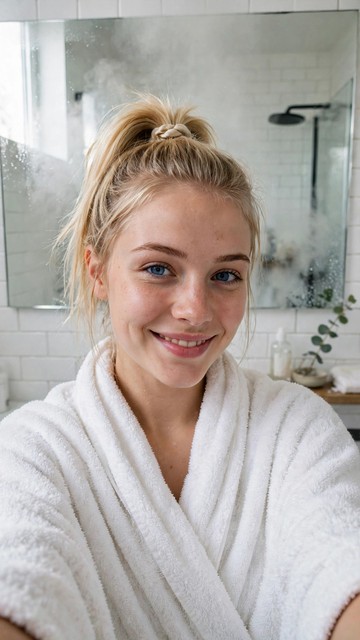
Hidden Cam in the Bathroom
 5s
⚡ Generate
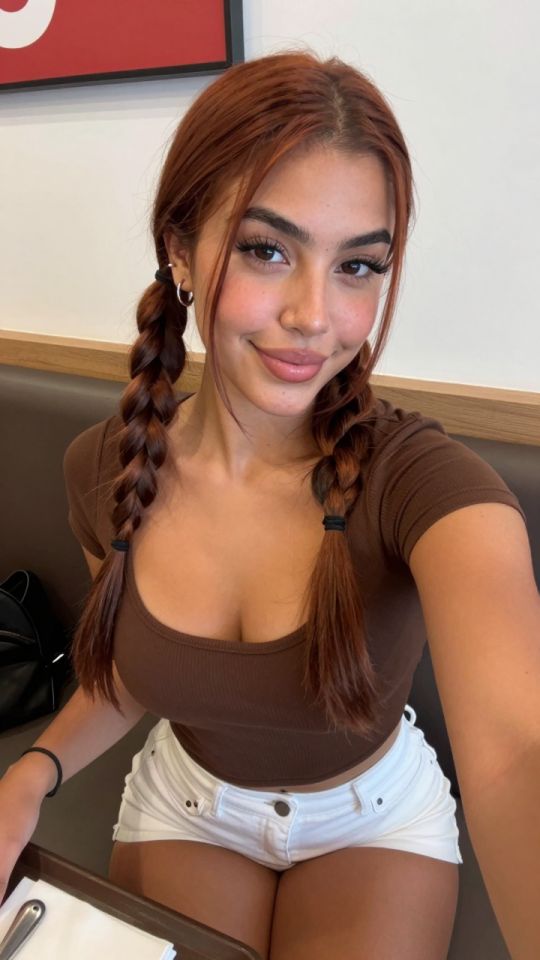
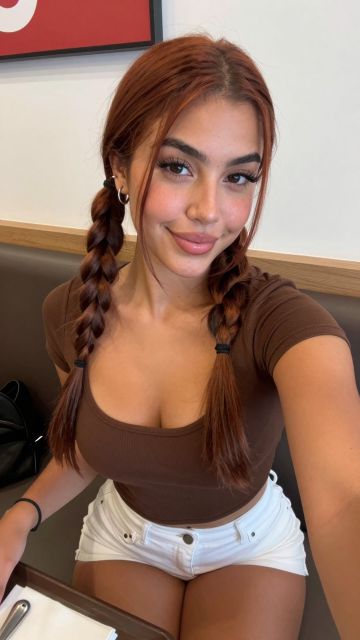
Hair Pull Doggy
 NEW 5s
⚡ Generate
Sideways Couch Fuck
 5s
⚡ Generate
Anal, Leg Up

 NEW IMAGE
⚡ Generate
Close Feet & Pussy (2K)

 5s
⚡ Generate
Tongue Out Facial

 NEW IMAGE
⚡ Generate
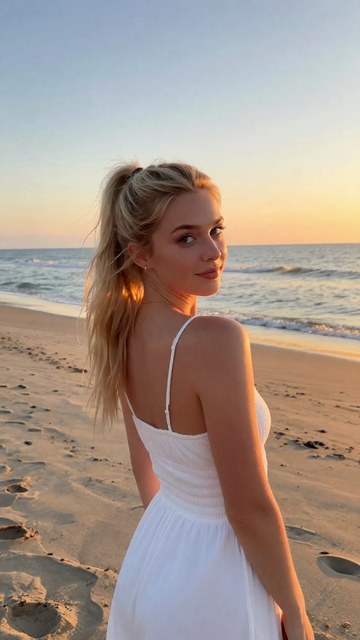
Beach Lesbian Oral

 5s
⚡ Generate
Tits Squeeze
 5s
⚡ Generate
Standing Carry Fuck
 NEW IMAGE
⚡ Generate
Cock Out, Staring at You

 IMAGE
⚡ Generate
Caught Naked
 NEW IMAGE
⚡ Generate
Ass Up, Licks the Tip
Write the scene. Watch it move.
Rehearsal: lock the scene before you spend on motion
Video costs more per take than a still, so the scene gets locked before the camera rolls. Say who is there, where they are, what the lens sees. Exactly as for a still. "A woman near thirty, dark hair loose, kneeling on a rug in a dim bedroom. Lens at waist height, shooting from the side." Hold the movement for step two. A wrong scene with motion on top of it is a wrong clip that cost more than a wrong still. Already own a still you love? The image-to-video department is the better door. This page serves scenes that begin as words. Better still, shoot the scene as a 6-credit still first and only come here once the framing and the performer are exactly right.
Blocking: one movement, one direction, one speed
Now add the action in one clause. "She turns slowly toward the camera." "Her hand slides down her own stomach." "Her weight shifts, and she glances over her shoulder." One motion, one direction, one speed. A few seconds is all the camera gets. One clear motion fills them well. Two movements fight for the same seconds; a third turns into a blur.
Blocking also means keeping the camera still. A slow push-in while she turns asks the camera to do two jobs at once, and both usually come back muddy. Let the body move and the camera watch. The same goes for the frame: one performer, one room, one movement. Every extra element — mirror, window, second performer, pet — is one more thing the motion must follow, and a short clip follows very little. The plainest formula comes back clean most often.
The take: eyeline and the 180-degree rule
Where the performer looks decides where the audience looks. An eyeline straight into the lens is confrontational and intimate. An eyeline past the lens, toward something off frame, is voyeuristic — the audience watches someone who does not know she is watched. Pick one and hold it. An eyeline that wanders mid-clip reads as a mistake, because the camera cannot tell whether she is looking at the audience or at the wall.
The 180-degree rule matters here too, even in a five-second clip. Shoot the turn from one side and stay on that side. A turn that starts from the left and ends from the right disorients the viewer, because the room seems to have flipped. The camera does not know you crossed the line. It only knows the geography changed. Keep your side, keep your distance, let the performer do the moving.
Dailies: watch twice, change one thing
Watch the returned clip twice — first for movement, then for picture. Movement right, room wrong? Change the room alone. Picture right, motion stuttering? Make the motion simpler: slower, shorter, one direction. Video rewards stills discipline — one change per take — and each take costs more, so the discipline pays back more.
Check the opening frame before you blame the motion. The clip opens on the scene your shot list describes, so a wrong angle, a wrong outfit, or a wrong light in the first frame is inherited by the whole clip. When a clip disappoints, look at the first frame first. A wrong still means a wrong scene description. A right still with wrong movement means the movement needs simplifying.
The mistakes that waste the most clips
The first is writing a short film. Five seconds cannot hold a start, a middle, and an end. A shot list describing a whole encounter delivers a muddled middle. The second is cutting on motion that is not there — asking for a jump, a cut, or a sudden change of position inside one continuous take. The camera shoots one take, not an edit. The third is the crowded frame, covered above: too many elements, too little tracking budget. The fourth is impatience with the first frame, covered above as well. And the fifth is the wrong look for the wrong motion: a slow realistic turn belongs in warm light, a bright stylised bounce belongs in a clean bright room. A realistic body with a cartoon motion reads as a dubbing error.
Three clips that work, and why
A slow turn toward the lens works because the face shifts angle by degrees — the gentlest motion the camera ever follows. Nothing exits the frame. Nothing pops in. A hand travelling down a body works: short route, steady pace, hand never leaving the skin. No moment calls for inventing it mid-air. A weight shift works because most of the frame holds still while the hips cross from one side to the other. Calm, deliberate — never jittery. What the three share: small, continuous, touching the scene. Big, sudden, airborne motions are the ones that snap.
Looks, length, and what a clip costs
Realistic, 3D, anime — the looks on offer are creative choices, not a quality ladder. A well-described anime clip beats a sloppy realistic one every time. Clips run a few seconds each by design and loop cleanly, so they pair easily with the still they came from — poster to the clip's trailer. Text-to-video starts at 476 credits a clip. The exact figure sits next to the generate button — read it there before you confirm. You buy packs once — no subscription. Bigger packs pay out their credits across the months, following the timetable on the pack page. A shoot that fails hands its credits back on its own. A finished clip you dislike is money spent. The fix is a simpler shot list.
Studio-wide rules on privacy and ownership: shoots stay private unless premiered, uploads never train models, and your work is yours to sell inside the house rules. Everyone on screen is an invented adult. The studio admits adults only: no minors, no real people without consent.
Questions, answered
How long is a clip?
A few seconds, built to loop. They are trailers and moving posters, not feature scenes. A longer story means a series of short clips from one scene description — never one clip doing everything.
Write the shot list, or start from a picture?
Own a still you love? Start there — image-to-video keeps your framing and adds motion. When you own only words, use this page. Never burn a video finding out what the scene looks like. Find out with a 6-credit still first.
Why does my clip start fine and end strange?
The camera grips the opening frame tightest and invents more with every passing second. Short, simple motions hold up best — less to invent. When the ending falls apart, trim the movement. Not the clip.
Can I use the clips commercially?
Yes. You own every generation outright. Sell it, post it, license it — as long as the house rules and the law allow it. The Terms of Service spell out the commercial-use clause in full.
What if the clip fails?
Credits come back on their own when a generation fails. Check the printed price before you retry, and simplify the movement. Most failures come from shot lists asking for too much motion at once.