
Start from a ready-made scene
Pick an effect, upload your photo, and the built-in recipe does the rest. Same photo, far more reliable results.
You have been writing prompts by hand. Templates skip all of that — pick a card below, upload your photo, and get the same scene in one click.
 5s
⚡ Generate
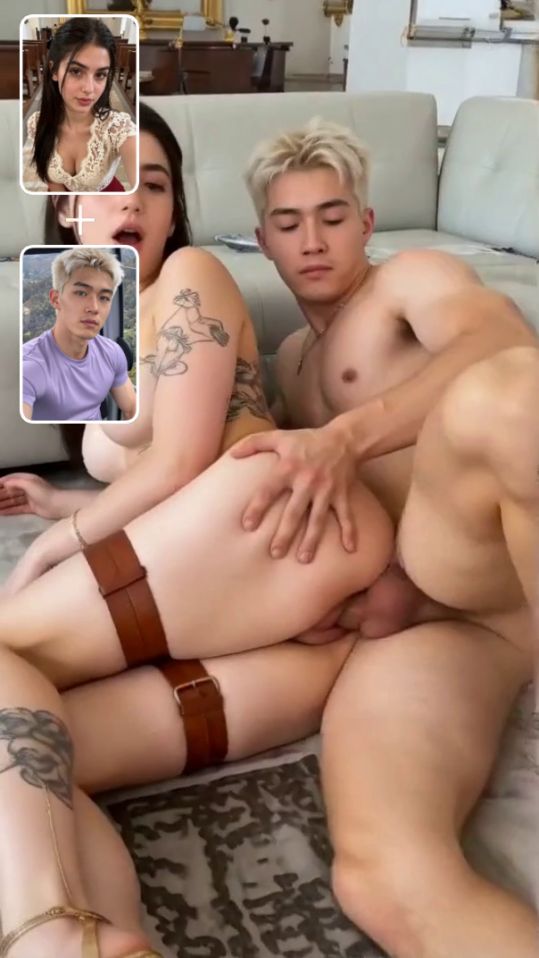
Spooning Fuck
 5s
⚡ Generate
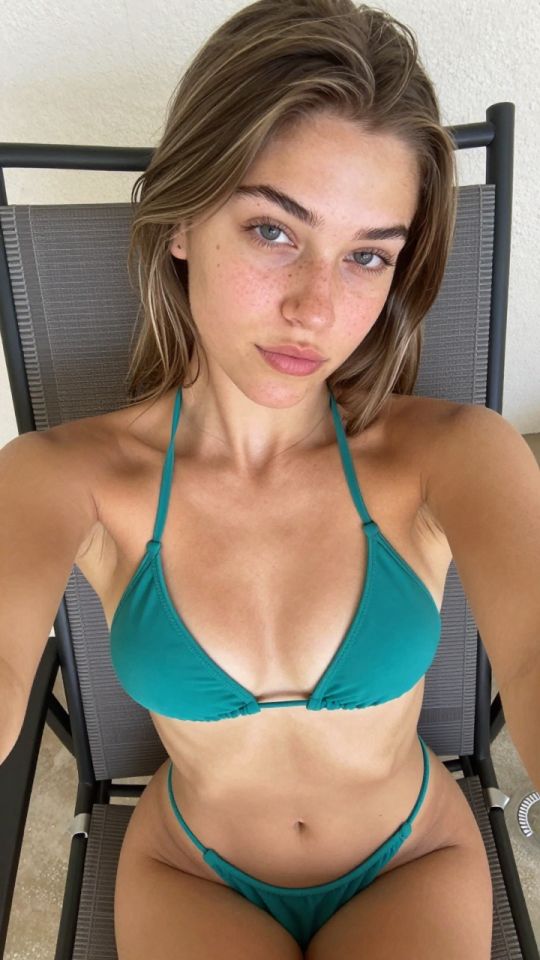
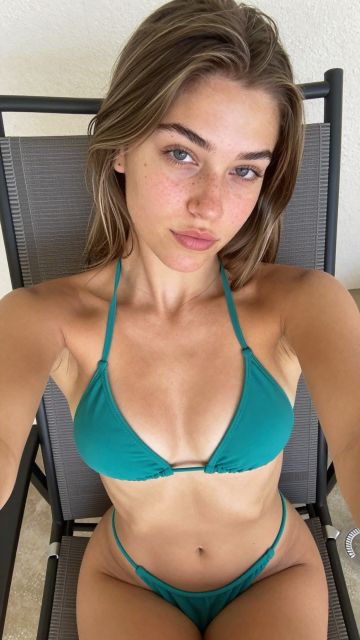
POV Blowjob, Eyes Up
 5s
⚡ Generate
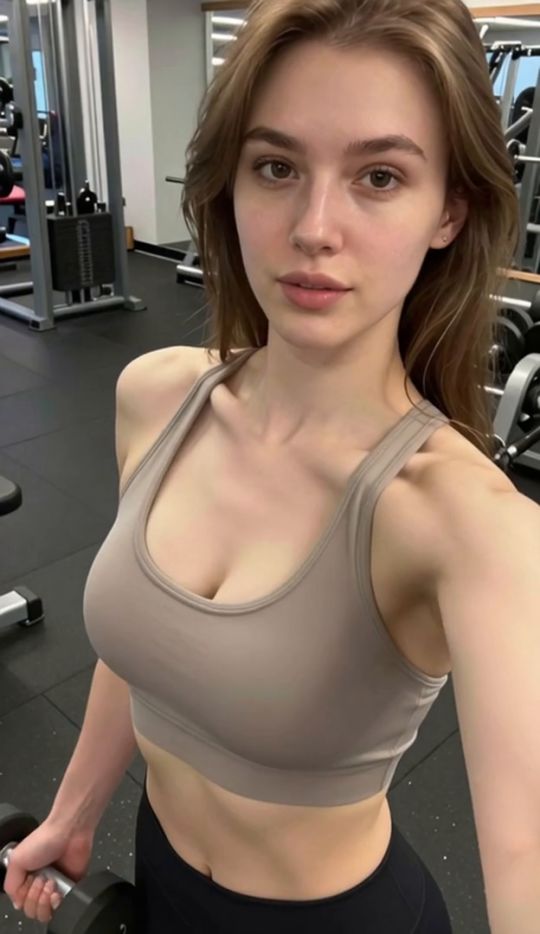
Extend Clip Close-Up
 IMAGE
⚡ Generate
Fucked in a Sex Swing
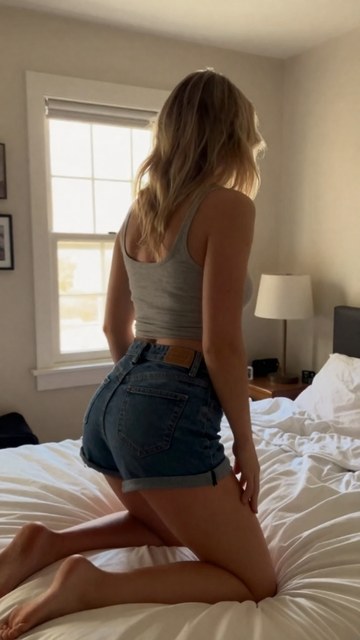 NEW IMAGE
⚡ Generate
Reverse Cowgirl

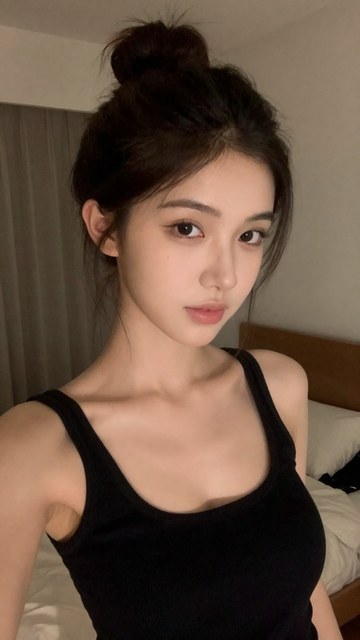 NEW IMAGE
⚡ Generate
Close-Up Blowjob
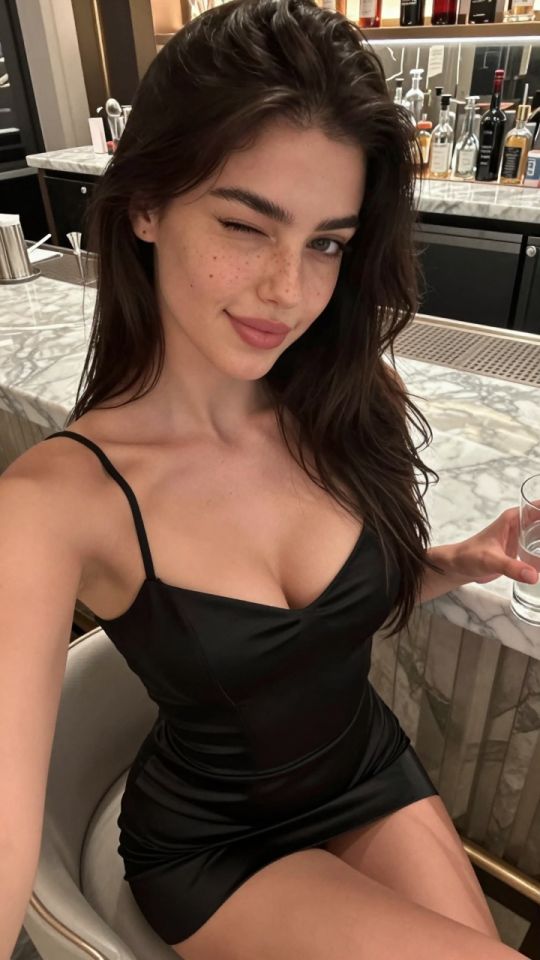
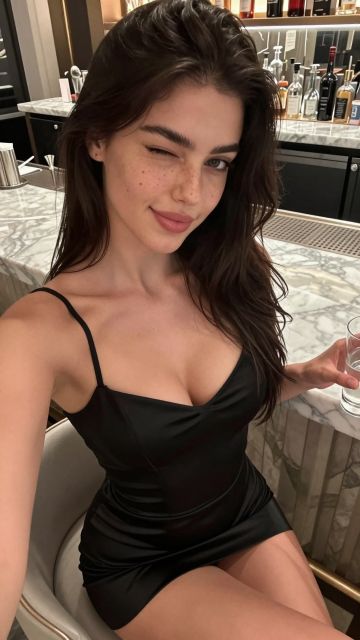 5s
⚡ Generate
She Rides His Cock

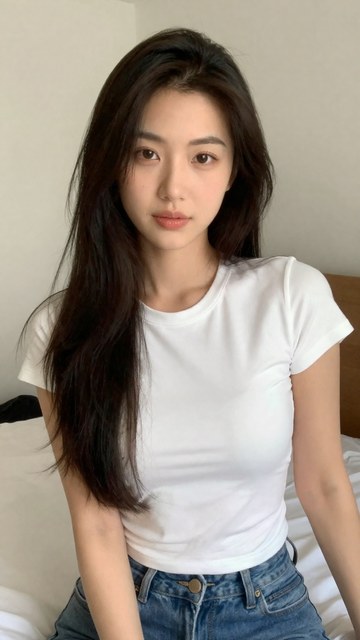 NEW IMAGE
⚡ Generate
Close Feet & Pussy (2K)
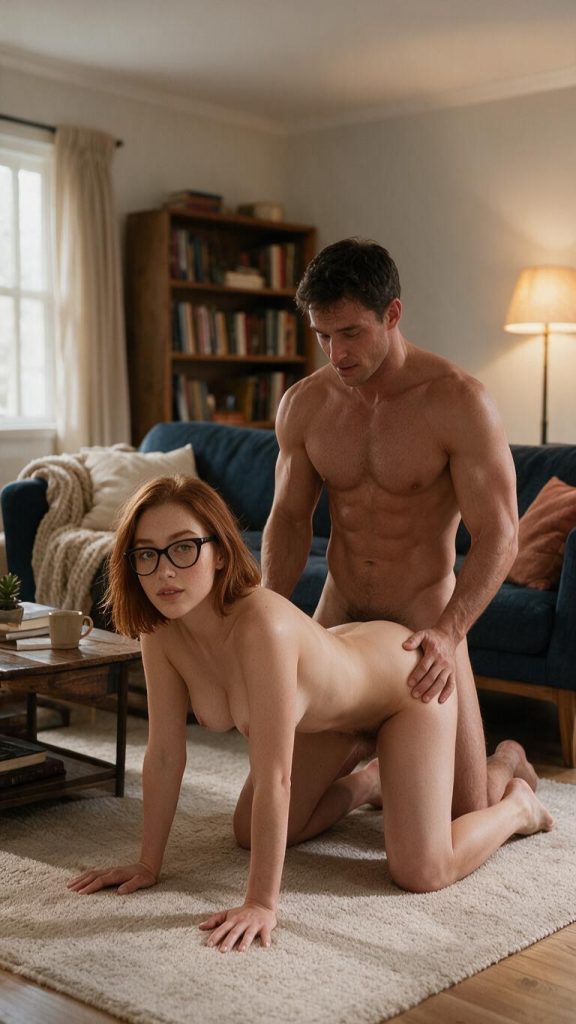
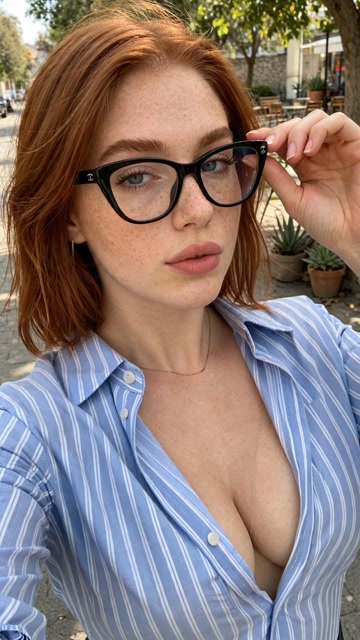 NEW IMAGE
⚡ Generate
Gets Rough Doggystyle
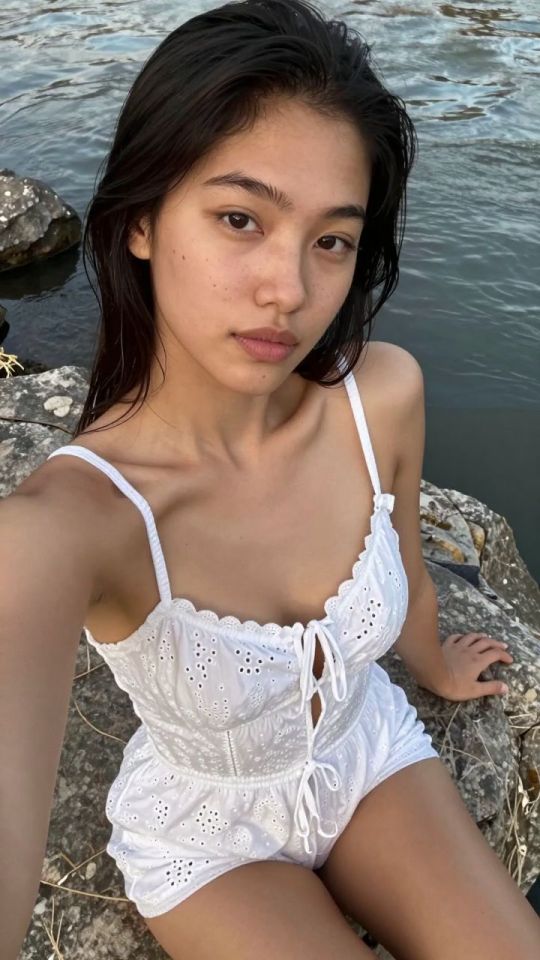
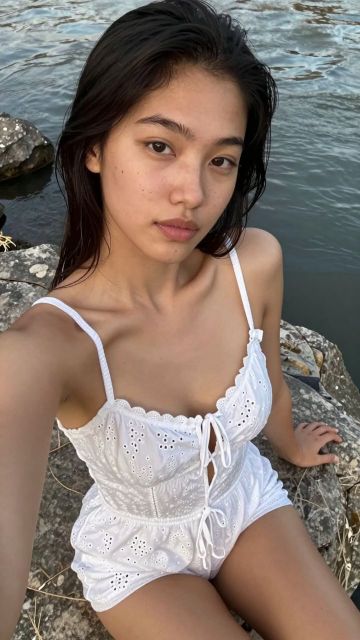 IMAGE
⚡ Generate
Caught Naked
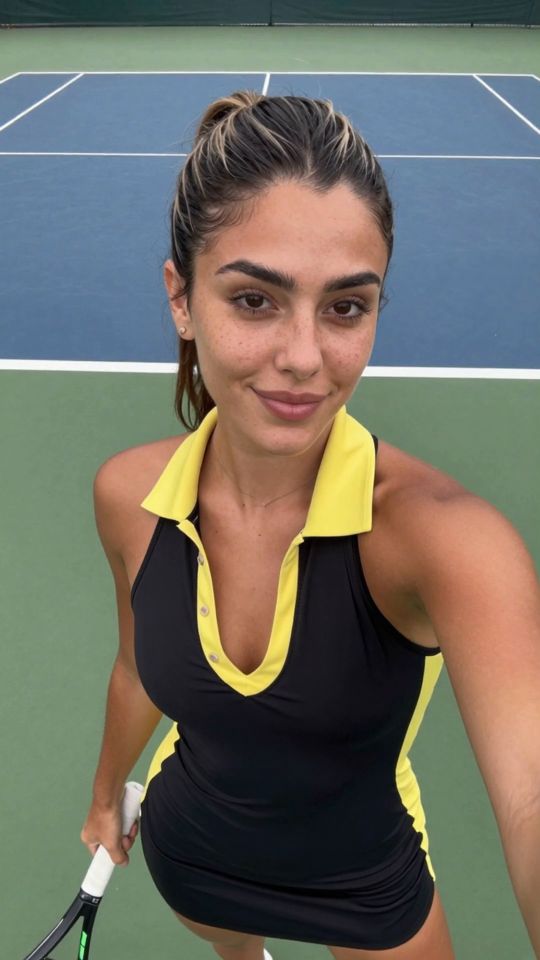
 NEW 5s
⚡ Generate
Prone, He Fucks Her
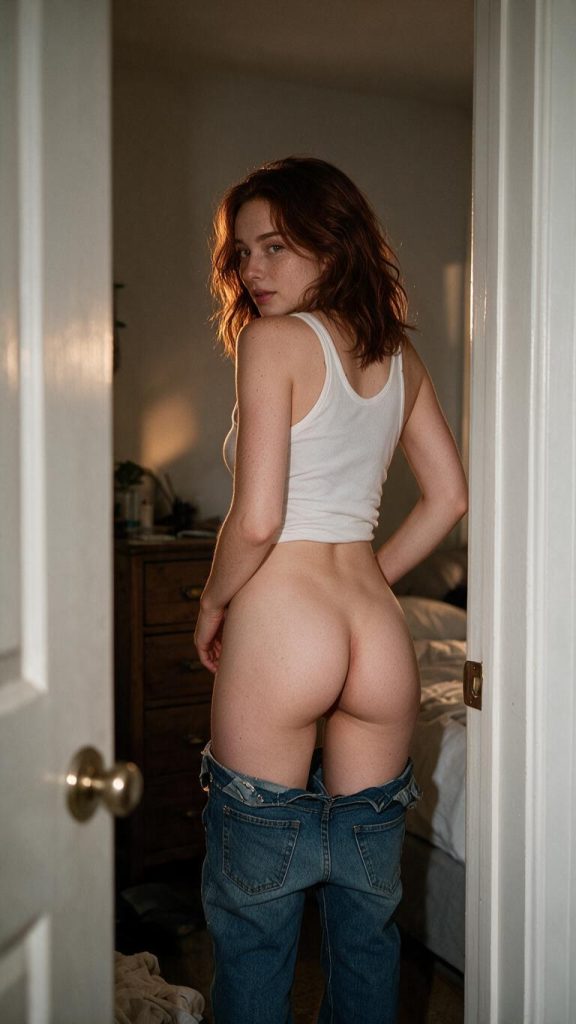
 NEW IMAGE
⚡ Generate
Caught Changing, Door Ajar
The still is finished. Now let it breathe.
Scene one: the dressing-room mirror
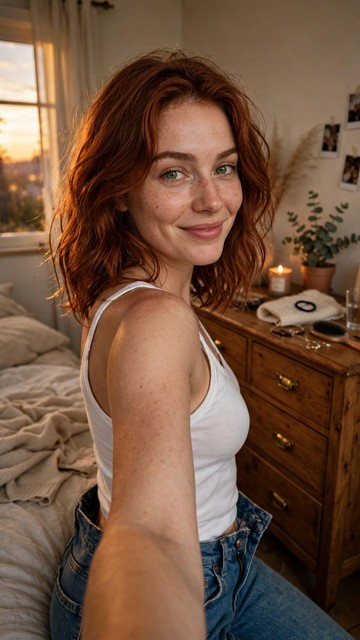
You have a portrait you love. Face right, light right, framing right — and still, the picture only sits there. What it wants is barely anything. A slow blink. A slight turn of the head. Hair shifting a fraction. That is the lightest job in this department, and the most dependable one. Upload the portrait and name the smallest movement you can picture — "she turns her head slowly toward the lens." Then let the clip take over. Small movements are dependable: the camera invents next to nothing. Same face, same room, angle shifting by degrees. Start here. It is the cheapest lesson in the department's range before you spend on anything ambitious. Image-to-video starts at 713 credits a clip, and the exact figure shows on the page before you confirm.
Scene two: the rainy taxi
A body shot holds a different stillness. Pose held, muscles held. The eye reads photograph, not moment. The fix: a gesture with a clear route. A hand travelling down a stomach. A shoulder rolling open. Weight shifting hip to hip. The hand runs this scene. A hand on a body gives the camera a track to follow: it never leaves the frame, never hangs mid-air, and reads clearly in a glance. Describe the route, not the feeling. "Her right hand travels slowly from collarbone to hip" comes back cleaner than "she touches herself seductively" — a direction beats a mood the camera must guess at.
Scene three: the pool at night
Sometimes the performer is fine. The room is the problem. A bedroom like a showroom. A shower like an advert. Motion fixes that too — but let the room do the moving. Steam drifting. Water running. A curtain in a draught. Hair lifting slightly. Ambient movement is the cheapest realism there is: it moves the edges of the frame, never the middle. Try "steam drifts across the mirror" with a bathroom still. Try "water runs over her shoulders" with a shower still. Watch how little motion it takes before the scene stops looking staged. Ambient motion forgives mistakes. Steam drifting the wrong way goes unnoticed. A wrong hand does not.
Scene four: the projection booth
Templates give you a finished still with strong blocking. The moment after the still is what they cannot give you. That moment is often the whole point. Take a template picture you already shot — framing kept — and animate the single action it implies. The tease mid-way through. The turn about to happen. The step about to land. The still is already blocked, so the animation starts from a strong frame, not a guess. The result reads as a cut from a longer scene — not a photograph that twitched. It is also the cheapest route here. The still cost 6 credits to explore, 49 to lock in as a template. The motion is one more purchase on a frame already trusted.
The first frame is the contract
The clip opens on your still, and everything after that is measured against it. The face in frame one is the face the audience expects in frame fifty. The light in frame one is the light the audience expects in frame fifty. When a clip wobbles, the cause is usually a promise the first frame made that the motion could not keep: a hand that was resting on a hip in the still and has nowhere to go, a gaze that was aimed at the lens and drifts away, a body twisted in a way no real body can hold while moving. Before you animate a still, look at it as a contract. Can the pose move? Can the gaze hold? Can the hands travel somewhere? When the answer is yes to all three, the clip has a chance. When the answer is no to any of them, pick a different still — the animation cannot fix a pose that was never meant to move.
How this department compares
| Starting point | Department | What survives | What changes |
|---|---|---|---|
| A still you love | Image to Video (this page) | Face, framing, set, light | One movement is added |
| Words only, no picture | AI Porn Video Generator | Nothing yet — it is all new | Scene and motion are built together |
| A still with a wrong detail | AI Porn Editor | Most of the picture | The detail you describe is reshot |
| A still that is too small | AI Image Upscaler | The whole composition | Resolution and fine detail |
| A finished clip with the wrong face | AI Video Face Swap | Motion, body, set | The face, frame by frame |
The table runs on a single rule: want to keep more of the still? Begin from the still. Image-to-video keeps nearly everything — face, framing, set, light — and adds a single thing. Text-to-video keeps nothing, builds everything. Freedom when you own no picture; waste when you do.
Limits and boundaries
This department animates what sits in the frame. It never re-blocks the frame. A badly framed still becomes a badly framed clip that moves. Two people tangled in the still mean the motion fights to keep their limbs straight. The anatomy limits of stills double once things move. Keep movement small, continuous, touching something — a turn, a slide, a drift. Skip jumps, cuts, and anything that exits the frame and returns. The camera cannot remember what left. The exact price sits on the page before you generate, starting at 713 credits. Failed generations hand their credits back on their own. You buy packs once — no subscription. Bigger packs pay out their credits across the months, following the timetable on the pack page.
Studio-wide house rules apply: everyone on screen is an invented adult, the studio admits adults only, real people appear only with consent. Your shoots stay private unless you premiere them. Uploads never train models. And what you make is yours to sell, inside the house rules. The Terms of Service carry the full wording.
Questions, answered
What kind of still works best?
Clean, well lit, one clear subject, background uncluttered. Portraits and single-performer body shots move best. Crowded frames and tangled poses are hardest — too many things for the motion to follow at once.
Can I animate a photograph I did not shoot here?
Yes — when you hold the rights to it and everyone in it is a consenting adult. Upload it, describe the movement, and the department handles it like any other still — same consent rules as everywhere in the studio.
Why does my clip start strong, then wobble?
The camera clutches the opening frame tightest, inventing more with every passing second. Short, simple, continuous movements degrade least. When the ending wobbles, simplify the movement. Do not ask for a longer clip.
How is this different from text-to-video?
That page builds scene and motion from words together. This page keeps a still you already own and adds motion to it. The still matters to you? Use this page. Only words exist? Use that one.
Can I use the clip commercially?
Yes. You own every generation outright. Sell it, post it, license it — as long as the house rules and the law allow it. The Terms of Service spell out the commercial-use clause in full.