
Skip the prompt — start from a template
Pick an effect, upload your photo, and the built-in recipe does the rest. Same photo, far more reliable results.
You have been writing prompts by hand. Templates skip all of that — pick a card below, upload your photo, and get the same scene in one click.
 NEW IMAGE
⚡ Generate
Flower Bath
 5s
⚡ Generate
Office Blowjob
 NEW 5s
⚡ Generate
Two Mouths on His Cock
 5s
⚡ Generate
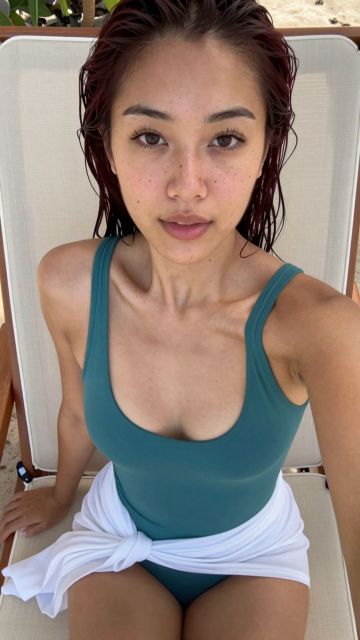
Lick and Handjob
 5s
⚡ Generate
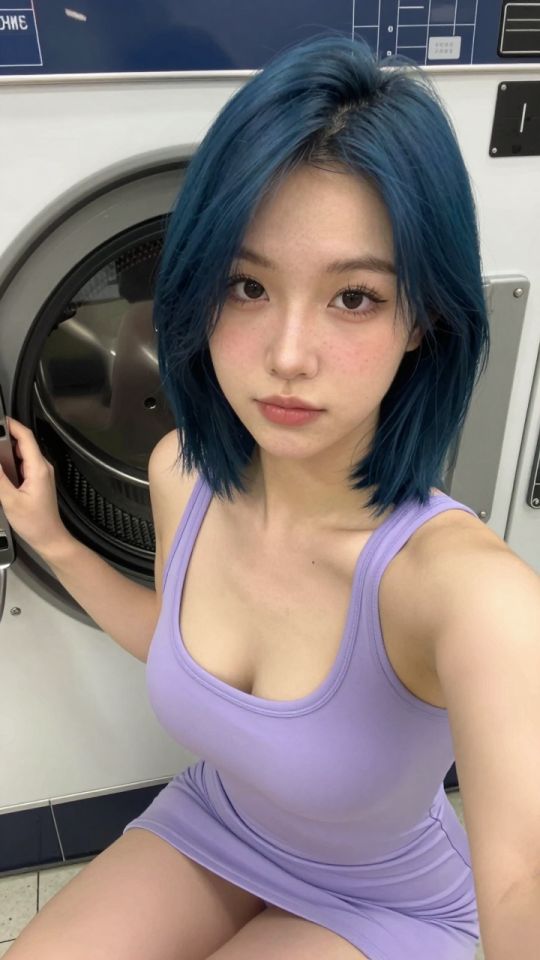
Tongue Out Facial
 5s
⚡ Generate
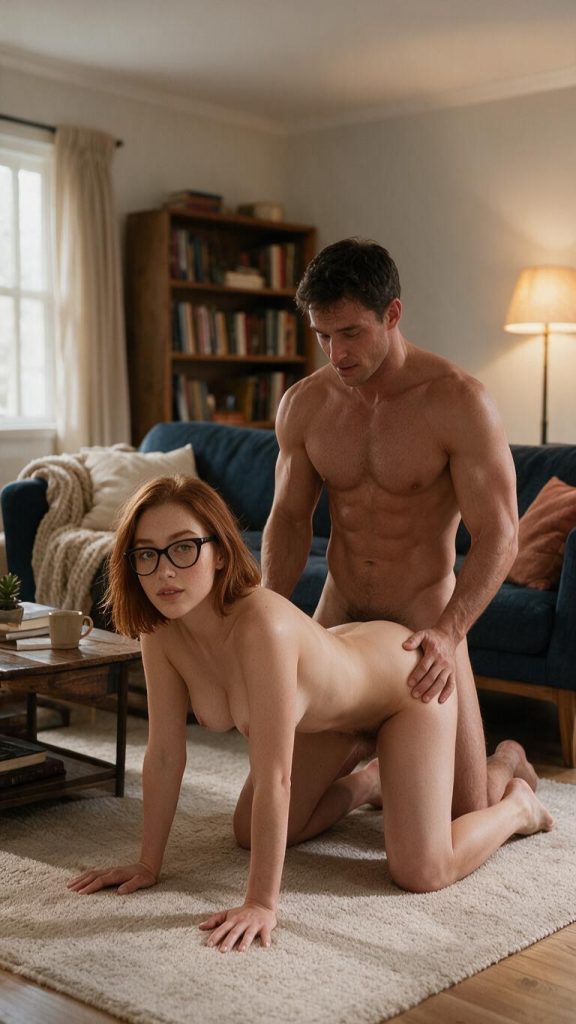
Eyes up while she sucks
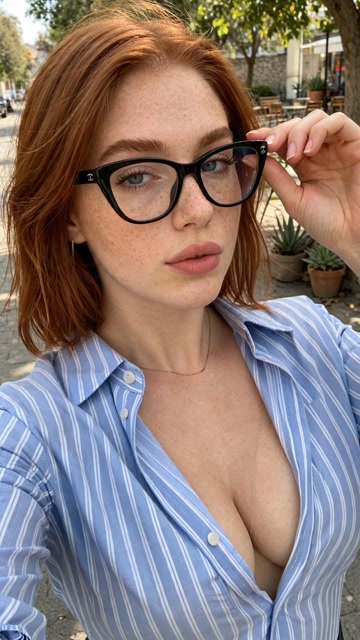 NEW IMAGE
⚡ Generate
Gets Rough Doggystyle
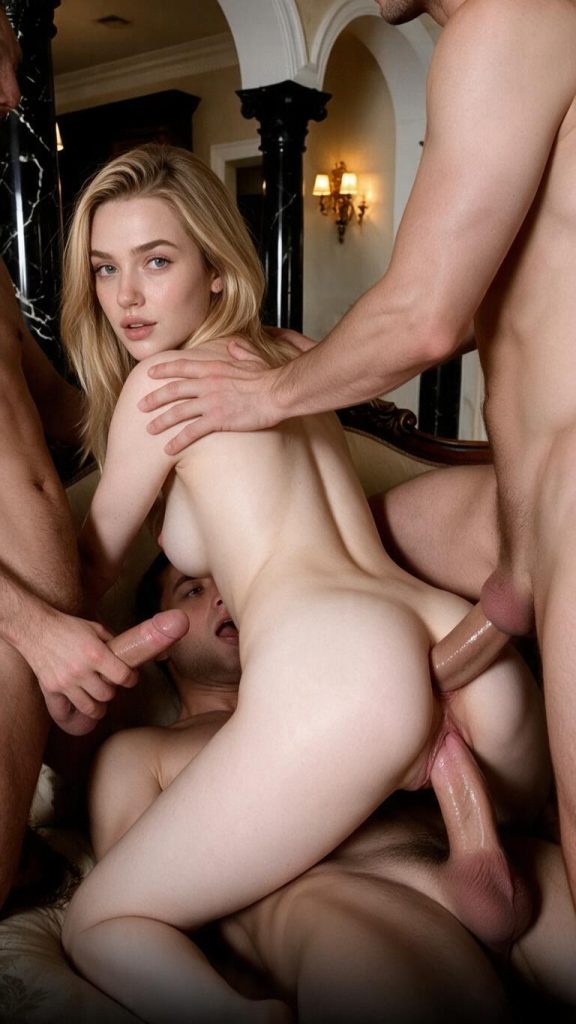
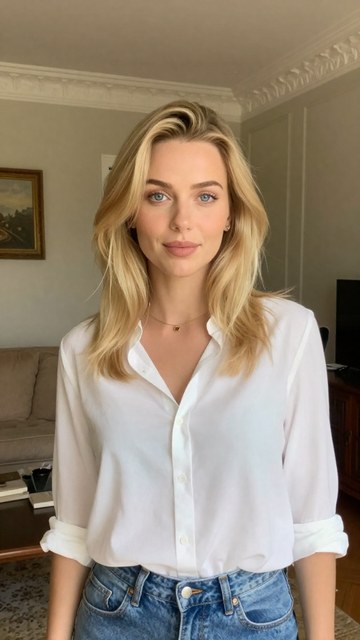 NEW IMAGE
⚡ Generate
Two Cocks, One Girl
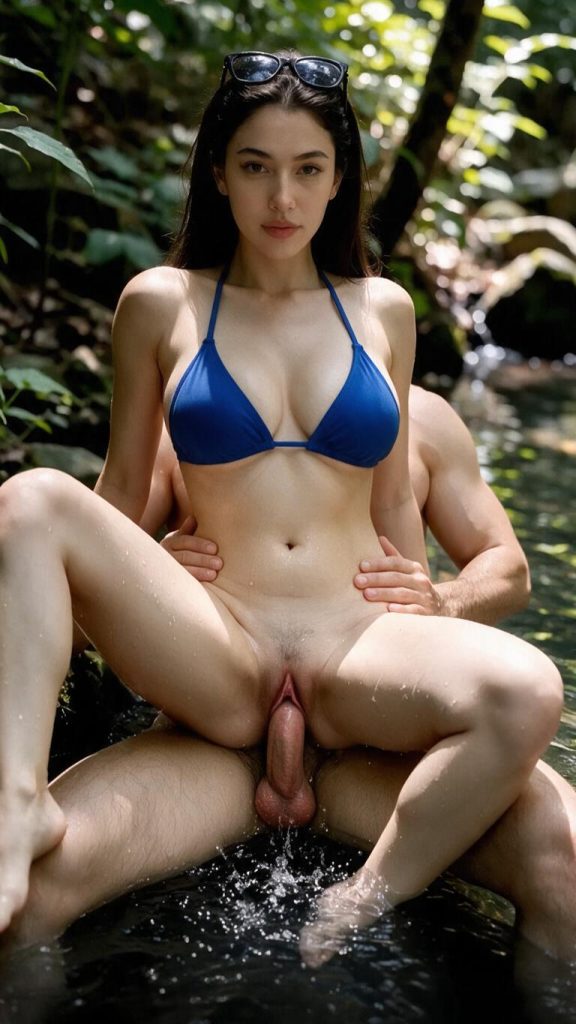
 NEW IMAGE
⚡ Generate
Jungle Stream Sex
 NEW IMAGE
⚡ Generate
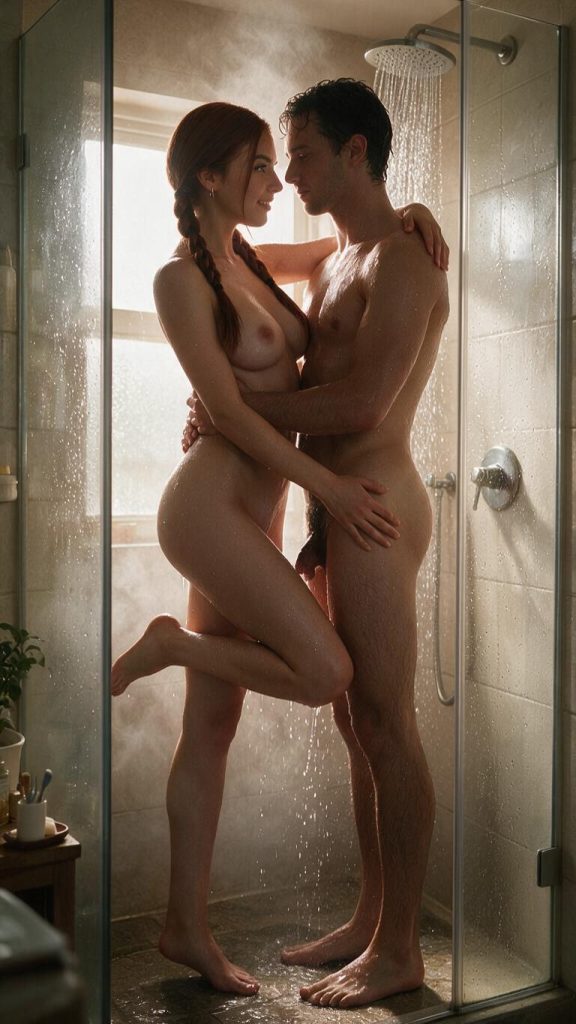
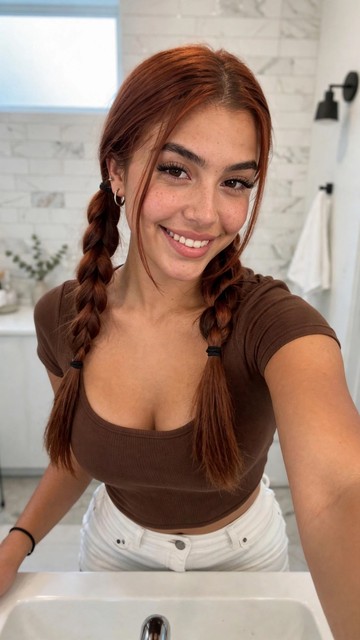
She Invites Him for Shower Sex
 IMAGE
⚡ Generate
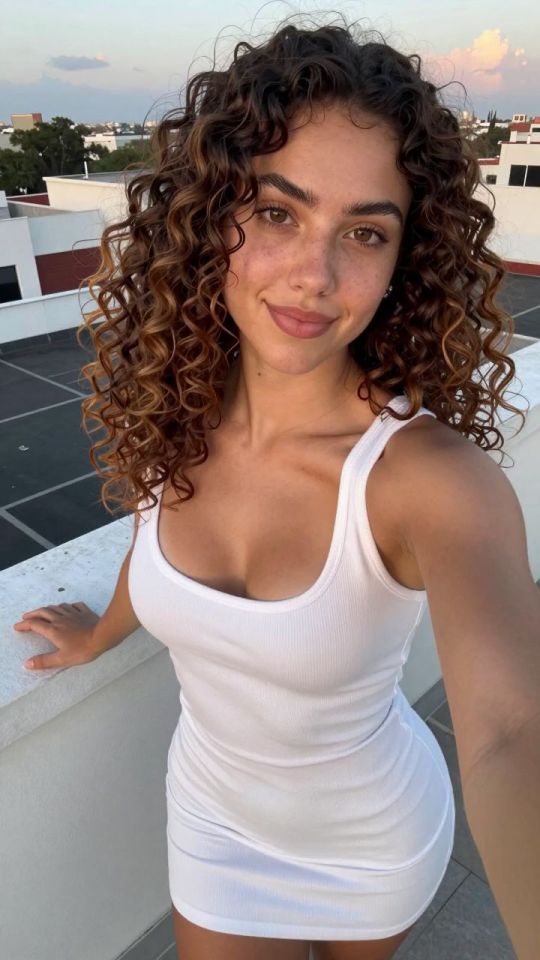
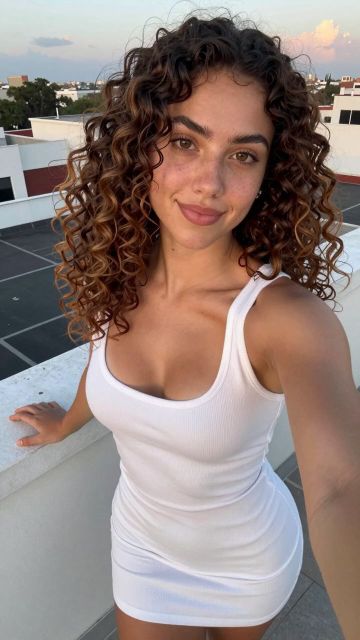
Dildo on Her Ass
 5s
⚡ Generate
Extend Clip Close-Up
One photograph in. The same performer, undressed.
What does the undress room actually do?
It takes one photograph and removes the wardrobe — nothing else. The face stays that face. The pose stays that pose. The figure, the lighting, and the room all stay where they were. No script, no slider, no second department: one upload, one click, and the same photograph comes back minus the clothes. That narrowness is the point. A general editor repaints anything — and can drift while doing it. A slightly different face. A slightly altered room. The undress room holds everything still except the wardrobe. The result is recognisably the picture you uploaded.
Which photograph should I bring to the fitting?
Bring the one whose face and pose you already want. The room preserves them faithfully — flaws included. Portraits facing forward, or in three-quarter, work best. Body visible, light clean, enough figure in frame for the camera to work with. A distant, dim, half-hidden photograph comes back soft and uncertain. The camera guesses at what it cannot see. Tight crops suit body-led shots. Loose crops help when the set matters. Either way, quality is decided before you upload. Pick your strongest original, not the first file in the folder.
What does it cost, and what happens when it fails?
One undress costs 21 credits for a woman and 49 credits for a man. That is the whole price: no script, no extra passes, no hidden step anywhere. The price sits on the page before you confirm — as in every department here. When a generation fails — platform error, dropped queue, render never landing — credits return to your balance by themselves. When a generation succeeds but you dislike the result, those credits bought a finished render. The remedy is a better original photograph — not a refund. You buy packs once — no subscription. Bigger packs pay out their credits across the months, following the timetable on the pack page. The usual waste in this room is undressing the same weak photograph three times hoping the department will fix it. It will not. Swap the photograph.
Whose photographs can I use?
Your own photographs. Or ones you hold the rights to. Of adults who consented. That is the whole rule. It is enforced. Never use a photograph of a real person who never agreed — celebrity, stranger from a feed, acquaintance, no one. This room serves invented, consensual adult imagery. Uploading a real person who never consented is not a grey area. Everyone on screen here is an invented adult. The studio admits adults only. Nothing involving minors runs, in any form. Unsure whether you hold the rights to a photograph? Then you do not hold them. Shoot the photograph yourself, or generate the starting picture here first and undress that one instead. A generated portrait raises no consent question — and it is often the better original, because the pose and the light are yours to set.
Does fabric matter?
Yes, more than most people expect. Thin tops and loose dresses come off cleanly. The body beneath is easy to read. Heavy layers, bulky jackets, tangled straps leave more to guess at. Guesses show. Swimwear and lingerie are the easiest starting points: the body is mostly visible already, so the camera has a nearly complete map. A winter coat is the hardest: the camera must invent shoulders, waist, and hips from a rectangle of wool. Pose matters the same way. A body facing the lens hands the camera a full map. A body twisted away or folded up hands it a partial one. A soft or uncertain result? Check the three in order — photograph, wardrobe, pose — before blaming the department. Most let-downs trace to the original, never the render.
How is this different from editing a photograph?
The editor repaints whatever you describe — freedom and risk together. Ask for a new outfit and it paints one, but it may repaint the face or the room a little too, because it rebuilds the picture as it goes. The undress room does a single job and holds the rest fixed. Want a change — new outfit, new set, new mood? Use the editor. Want a removal and nothing else? Use this page. Editor passes run 21 credits — the same as a female undress. Male undress runs 49. The rule for choosing is short: change means editor, removal means this room.
The fitting room: doubles and stand-ins
When the photograph is almost right but the pose is wrong, do not undress it twice hoping for a different body. Generate a stand-in first: shoot the pose you want as a fresh portrait here, with the light and the room already set, then undress the stand-in. The stand-in costs a 6-credit still plus the undress, and it carries no consent question at all. A second trick: when the wardrobe is the problem and the body is not, try the editor first — a 21-credit pass that swaps the outfit for something thinner gives the undress room a far easier map to follow. Thin fabric in, clean result out. Heavy coats in, guesswork out. The fitting room rewards preparation more than any other department, because every guess the camera must make shows in the result.
The advice, in one paragraph
Start from your best photograph, or generate one here first so pose and light are exactly yours. Check consent before you upload anything real. Pay once and look. When it is not right, swap the original — not the department, not the settings, the photograph. The undress room rewards good inputs more than any other department in the studio, because it has the least room to fix them.
Questions, answered
Do I need to write anything?
No. Upload the photograph and generate. Nothing to describe. The job is fixed: wardrobe off, everything else kept.
Men as well as women?
Yes, both. Both work the same way here: face, pose, and lighting kept either way. The price differs: 21 credits for a woman, 49 for a man.
Is the result private?
Yes, by default. What you shoot stays private unless you premiere it in the gallery yourself, and uploads never train models. Registered accounts see private finished work cleared on a schedule, under the Data Cleaning Statement.
Can I use the result commercially?
Yes. You own every generation outright. Sell it, post it, license it — as long as the house rules and the law allow it. The Terms of Service spell out the commercial-use clause in full.
What if the photograph shows a real person?
Upload it only with their consent. No consent? Do not upload it at all. Doubtful? Generate the starting portrait here instead. No consent question, and pose and light are yours to set.