
Skip the prompt — start from a template
Pick an effect, upload your photo, and the built-in recipe does the rest. Same photo, far more reliable results.
You have been writing prompts by hand. Templates skip all of that — pick a card below, upload your photo, and get the same scene in one click.
 5s
⚡ Generate
Extend Clip Close-Up
 5s
⚡ Generate
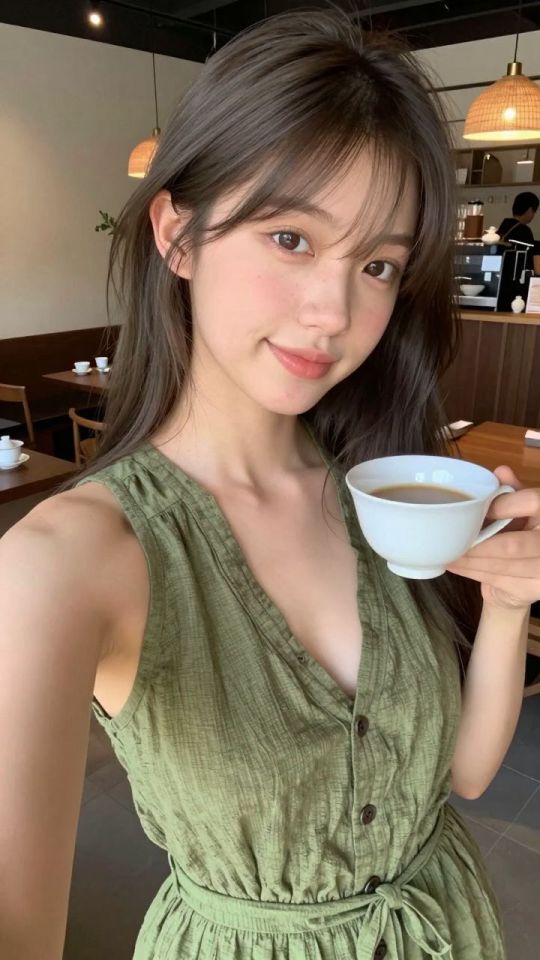
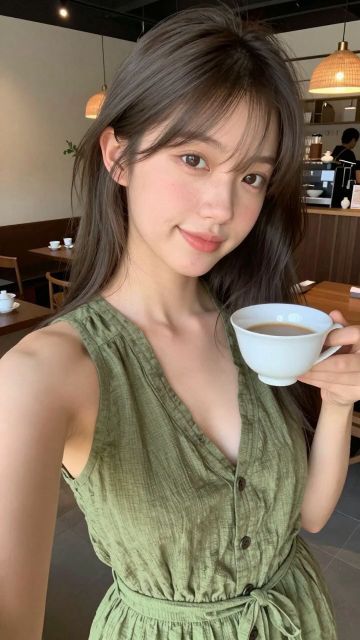
Fucked Against the Wall
 NEW IMAGE
⚡ Generate
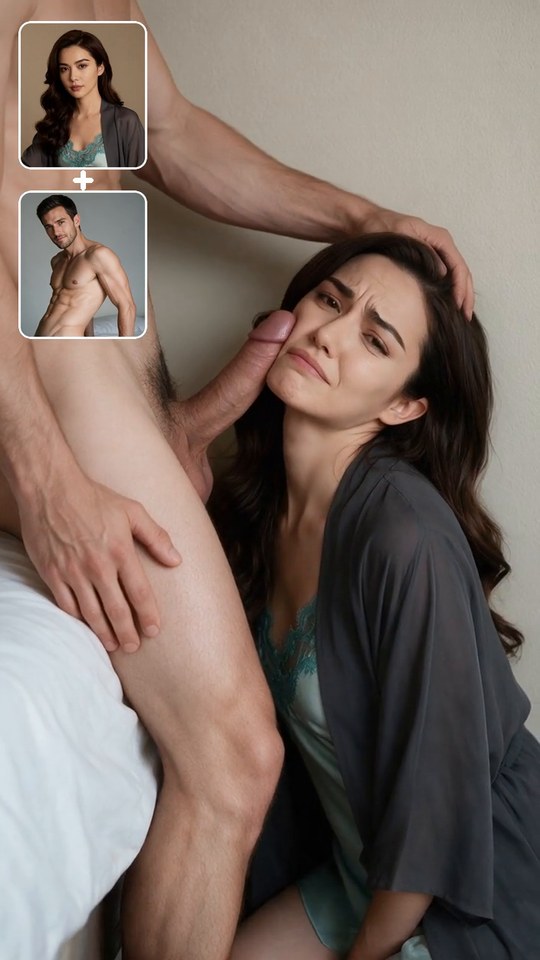
Bent Over Cum Drip
 NEW 5s
⚡ Generate
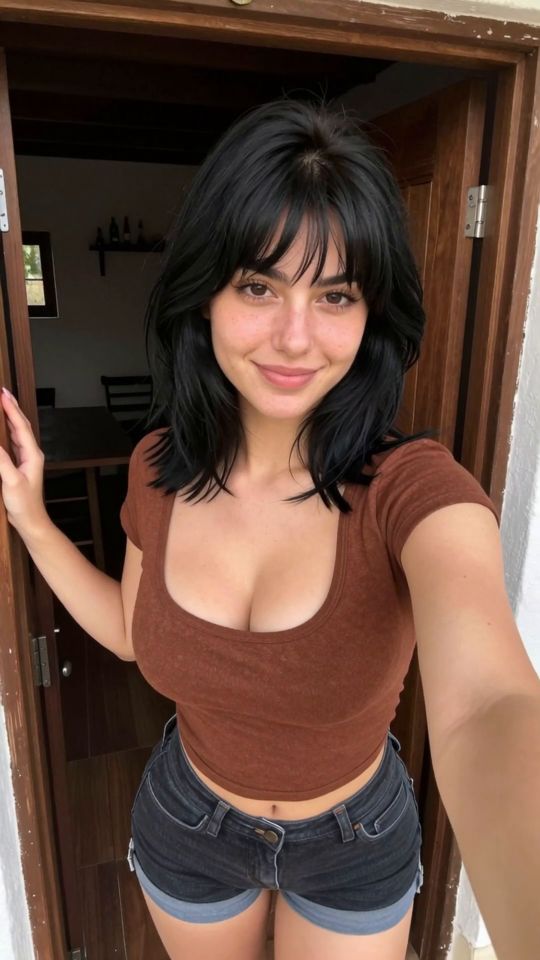
Face Fuck, Cock on Cheeks
 5s
⚡ Generate
BBC Doggy Anal
 NEW IMAGE
⚡ Generate
She Rides While Gaming
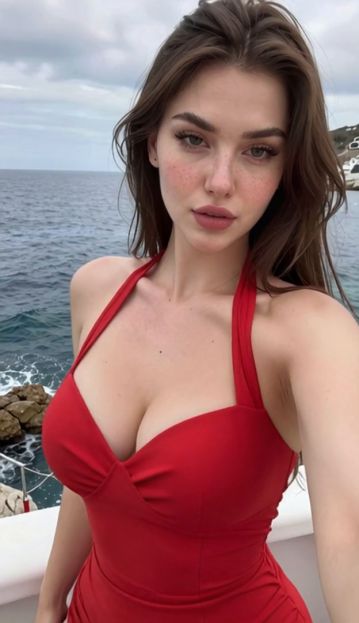 5s
⚡ Generate
Extend Clip Tease
 NEW IMAGE
⚡ Generate
S-Curve Hip Sway
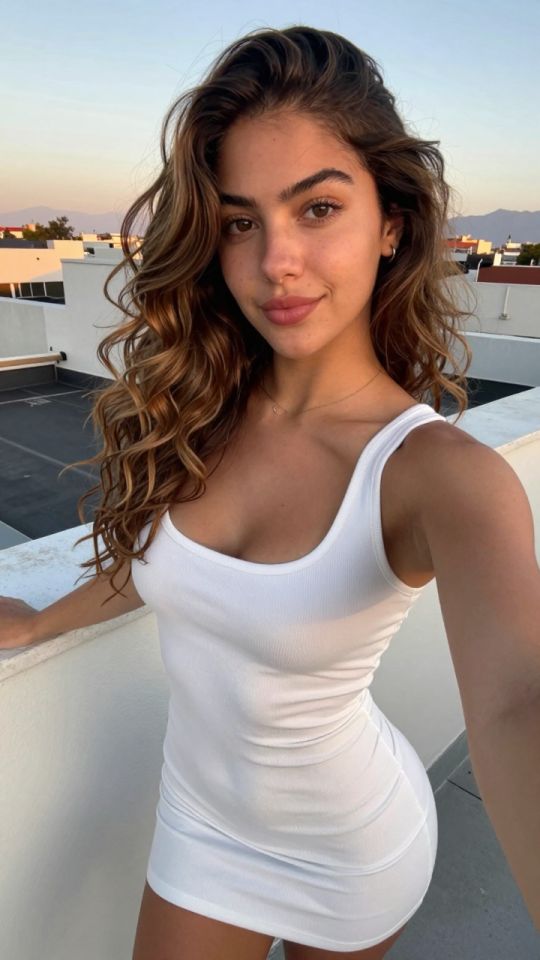
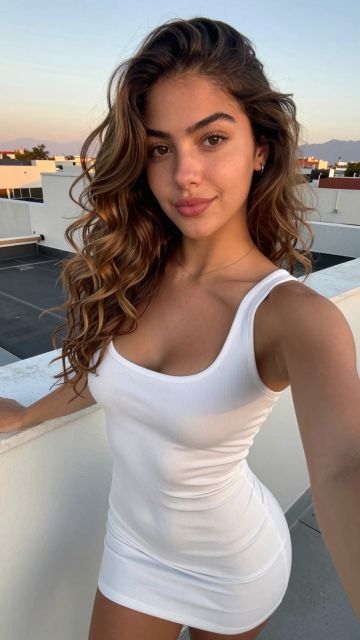 NEW 5s
⚡ Generate
She Fingers Herself
 NEW IMAGE
⚡ Generate
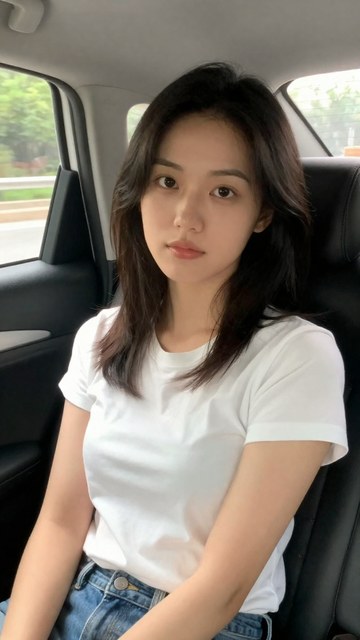
Hands on Neck, Car Sex
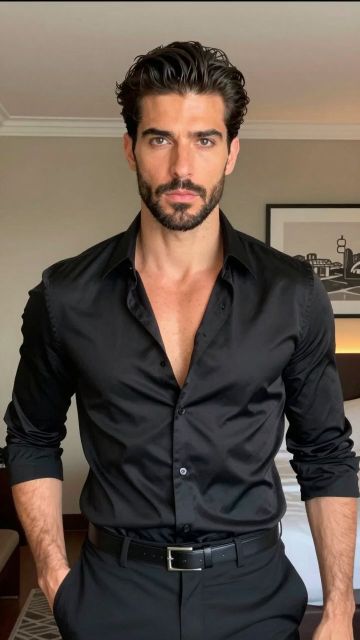 NEW IMAGE
⚡ Generate
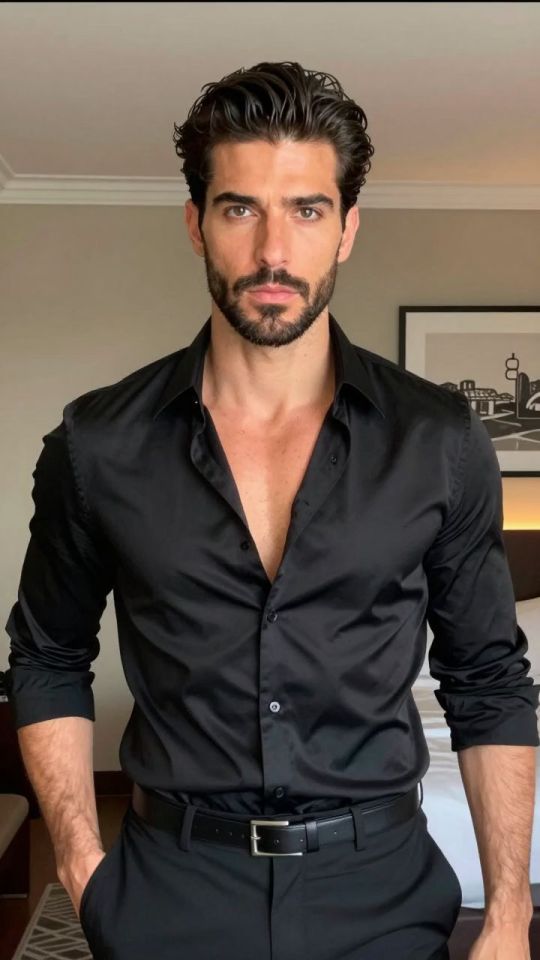
Cock Out, Staring at You
 NEW IMAGE
⚡ Generate
Close-Up Face in Bed
Name the change. Keep the rest of the cut.
What does the editor actually do?
It takes a picture you already own and reshoots the part you describe — in plain words. "Swap the dress for a red silk slip." "Move the set to a rooftop at night." "Light colder, mood quieter." The named part changes. Face, pose, body, framing — all as they were. That is the whole job. Shooting a new picture rebuilds everything. Upscaling changes nothing but sharpness. Editing sits between the two. The editor suits pictures already good, wrong in exactly one way.
What do I describe, and what do I leave out?
Name only the change. One sentence, naming a single thing: the costume, the set, the light, the mood. The editor treats your sentence as an instruction. Short instructions read clearest. "Swap the dress for a red silk slip" — a perfect edit note. "Swap the dress for a red silk slip. Move the room to a hotel. Add a balcony. Change her hair. Make it night." Five edits pretending to be one. The result compromises between them: dress changed, room half-changed, face drifting while the camera juggles the list. A picture needing five changes does not need editing. It needs reshooting from text at 6 credits. A fresh shot list holds all five ideas together. The editor earns its keep on one clean change.
Why did the face move when I only asked for the dress?
Because the editor reshoots by rebuilding, and rebuilding always risks drift. No scissors cut the dress out here. The region your change touches gets re-rendered. The face sits close enough to catch some of that repainting. Two habits tame the drift. First: keep the change tiny and keep it far from the face where you can. A dress change beats a hair change: hair touches the face, a dress does not. Second: name what stays as well as what changes. "Swap the dress for a red silk slip. Keep face, pose, and lighting the same." A keep-list guarantees nothing, yet it anchors the camera — and the difference shows. Face still drifting after two tries? The base picture may be too fragile for an edit. Reshoot from text instead, dress right the first time.
What kinds of edits work best?
Costume, set, light — the three edits whose targets run large, clear, unambiguous. A costume has edges. A room has structure. Light washes the whole frame. All three give the camera something definite to paint. Small, vague edits struggle. "Smile a little more." "Eyes slightly bigger." "A subtle detail." Small features offer few pixels. Vague words offer no target at all. For a small change, use a concrete image, not an adjective. "A thin gold chain around her neck" beats "a touch more jewellery": the camera pictures a chain, never "a touch."
Pick-up shots or a full reshoot?
The comparison decides. Text-to-image builds a whole new picture for 6 credits. Use it when the base fails in several ways. The editor changes a single thing in an otherwise right picture: 21 credits a pass. The undress room — 21 credits for a woman, 49 for a man — removes clothing and holds the rest fixed. Use it for removals, not repaints. The upscaler changes nothing except sharpness. Face swap changes a face and holds the scene. The editor sits mid-set: broader than the undress room, narrower than a fresh shoot. Choose by counting what is wrong. One thing wrong: edit. Three wrong: reshoot. Only softness wrong: upscale.
The continuity desk: edits across a series
One edit is easy. Ten edits across a series is a continuity desk. When the same costume change must land in five pictures, edit the first one, study it, then carry the exact instruction — word for word — into the next four. Never rephrase mid-series: a reworded instruction is a different instruction, and the camera will answer it differently. Keep a notebook of instructions that worked, with the base picture's name beside each. A series edited from one notebook reads as one production. A series edited from memory reads as five strangers in five rooms. The desk also means knowing when to stop: two passes per picture, never five. Past two, reshoot.
How much does it cost?
Each edit pass runs 21 credits — below a template picture, below any image-to-image pass at 49. The exact price is printed on the page before you confirm. You buy packs once — no subscription. Bigger packs pay out their credits across the months, following the timetable on the pack page. Failed generations hand their credits back on their own. A finished edit you dislike is money spent; the fix is a sharper instruction. Budget-wise, the editor finishes: never edit ten versions hunting for the right one. Pick the best base once, edit it once. Three passes at 21 credits each still run more than one whole text-to-image session. Choose before you spend, not during.
The advice, in one paragraph
Start from your best base picture. Write one sentence naming one change — and what stays — in the same breath. Look: did the change land, and did the rest hold? Change landed, face drifted? Try once more, keep-list stronger. Drifting again? Stop editing that picture. Reshoot the scene, the change built in from the first frame. The editor shines used once, on a good picture, for one clear change.
Questions, answered
Do I need to write anything?
Yes — one sentence describing the change. "Swap the dress for a red silk slip" suffices. Name one thing, not five.
Can I edit a photograph I uploaded?
Yes — when you hold the rights to it and everyone in it is a consenting adult. The same consent rules apply as everywhere in the studio.
Does the rest stay the same?
Almost. The editor reshoots the part you described. It aims to leave the rest alone. Rebuilding can still drift the face slightly. Naming what stays in your instruction cuts the drift.
Can I chain edits — dress, then room, then light?
You can, but every pass costs 21 credits and risks a little more drift. Two passes usually hold. Five do not. When you need several changes, reshoot from text instead.
Private? Commercially usable?
Yes to both. Your shoots stay private unless you premiere them. Uploads never train models. And what you make is yours to sell, inside the house rules. The Terms of Service carry the full wording.